Tree cabling and bracing support systems Toronto cost?

Tree cabling and bracing support systems Toronto cost - Toronto Tree Removal

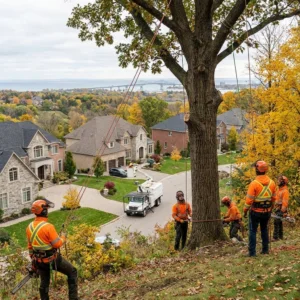
Toronto’s urban forest is a vital part of our city’s character, providing shade, beauty, and numerous ecological benefits. However, the harsh weather, soil conditions, and even human activity can take a toll on our trees, leading to structural weaknesses and potential hazards. Tree cabling and bracing are essential techniques used by arborists to provide support to trees with structural defects, preserving them and mitigating the risk of failure. Understanding the costs associated with these services in Toronto is crucial for homeowners and property managers alike.

The Short Answer

In Toronto, tree cabling and bracing costs typically range from $300 to $1500+ per tree, depending on the size, species, and extent of the damage. Factors like the number of cables or braces needed, accessibility, and the complexity of the installation all influence the final price. It’s always best to get a professional assessment and quote from a qualified arborist.

Understanding Tree Cabling and Bracing Systems

Tree cabling and bracing are proactive measures used to reinforce trees with structural weaknesses, aiming to prolong their lifespan and prevent potential hazards. Cabling involves installing flexible steel cables between major limbs to reduce strain and movement, particularly in high-wind situations. Bracing, on the other hand, utilizes rigid metal rods inserted through weakened branch unions or split crotches to provide direct support. These systems are not a substitute for proper tree care practices like pruning and fertilization, but rather a supplemental approach to address specific structural issues.

The decision to cable or brace a tree is based on a thorough assessment by a certified arborist. They will evaluate the tree’s overall health, the severity of the structural defect, the tree’s location, and the potential risks associated with failure. Common reasons for cabling and bracing include weak branch unions, co-dominant stems with included bark, split crotches, and branches that are excessively long or heavy. The goal is to redistribute weight, reduce stress on vulnerable areas, and allow the tree to continue growing safely.

There are two primary types of cabling systems: static and dynamic. Static cabling uses rigid cables that restrict movement, while dynamic cabling uses flexible cables that allow for some natural movement while still providing support. Dynamic systems are generally preferred as they allow the tree to adapt to wind and growth, reducing the risk of stress concentration at the cable attachment points. Bracing, in contrast, is almost always a static system, providing rigid support to hold the weakened area together. The arborist will select the appropriate system based on the specific needs of the tree and the nature of the structural defect.

Factors Influencing the Cost of Cabling and Bracing in Toronto

Tree cabling and bracing support systems Toronto cost detail - Toronto Tree Removal

Several factors contribute to the overall cost of tree cabling and bracing in Toronto. The size of the tree is a significant determinant, as larger trees require more materials and labor to install the support systems. A towering oak will naturally cost more to cable than a smaller maple. The number of cables or braces needed also directly impacts the price. A tree with multiple weak points or several co-dominant stems might require a more extensive system, increasing the material and labor costs.

Accessibility is another crucial factor. Trees that are difficult to reach, such as those located in confined spaces or with limited access for equipment, will typically incur higher costs. Arborists may need to use specialized equipment like cranes or aerial lifts to safely access the tree, adding to the overall expense. The complexity of the installation also plays a role. Some structural defects are more challenging to address than others, requiring more time, skill, and specialized techniques.

The type of cabling or bracing system chosen will also influence the price. Dynamic cabling systems, while generally preferred, often cost more than static systems due to the higher quality of the materials and the more sophisticated installation techniques involved. Furthermore, the company you choose can affect pricing. Experienced, certified arborists who prioritize safety and quality may charge more than less experienced or uninsured contractors. It’s crucial to get multiple quotes and compare the scope of work, materials used, and the credentials of the arborists involved.

Finally, don’t forget to factor in the cost of the initial assessment. A thorough assessment by a qualified arborist is essential to determine the appropriate course of action. While some companies offer free estimates, a comprehensive assessment that includes detailed measurements and a written report may come with a fee. This fee is a worthwhile investment, as it ensures that the cabling and bracing are tailored to the specific needs of your tree, maximizing its chances of survival and preventing future problems.

Choosing the Right Arborist for Tree Cabling and Bracing in Toronto

Selecting a qualified and reputable arborist is paramount for successful tree cabling and bracing. Look for arborists who are certified by the International Society of Arboriculture (ISA). ISA certification demonstrates that the arborist has the knowledge, skills, and experience to properly assess tree health, identify structural defects, and recommend appropriate solutions. Verify that the arborist is also properly insured with both liability and workers’ compensation coverage to protect yourself from potential liabilities in case of accidents or damage during the work.

Experience is another important consideration. Choose an arborist with a proven track record of performing tree cabling and bracing in Toronto. Ask for references from past clients and review their online reputation. A reputable arborist will be happy to provide you with examples of their work and testimonials from satisfied customers. Don’t hesitate to ask questions about their experience, techniques, and the materials they use. A knowledgeable arborist will be able to clearly explain the process and answer your questions with confidence.

Beyond certification and experience, communication and professionalism are key. The arborist should be responsive to your inquiries, arrive on time for appointments, and provide you with a clear and detailed written estimate. They should also be willing to explain the risks and benefits of cabling and bracing, as well as any alternative options. A good arborist will prioritize the health and safety of your tree and provide you with honest and unbiased advice. Be wary of arborists who pressure you into making a decision or who offer unrealistically low prices, as this may be a sign of inexperience or poor quality work.

Before hiring an arborist, always check their licensing and permits. In Toronto, tree work may require permits from the city, particularly for trees on public property or those protected under the city’s tree bylaws. A reputable arborist will be familiar with these regulations and will handle the permit application process on your behalf. Finally, get multiple quotes from different arborists and compare their prices, services, and credentials before making a final decision. This will help you ensure that you are getting the best value for your money and that your tree is in capable hands. Consider also asking about tree removal services from companies such as Toronto Tree Removal, in case the tree is beyond saving.

Alternatives to Cabling and Bracing

While tree cabling and bracing are valuable tools for preserving trees with structural weaknesses, they are not always the most appropriate solution. In some cases, other alternatives may be more effective or more cost-effective. One common alternative is pruning. Strategic pruning can remove weight from overloaded branches, reduce wind resistance, and improve the overall structure of the tree. This can be a particularly effective option for addressing minor structural defects or for maintaining the health and vigor of young trees. Regular pruning can prevent the need for cabling and bracing in the future.

Another alternative is tree removal. While this may seem like a drastic option, it is sometimes the most practical and safest course of action. If a tree is severely damaged, diseased, or poses an imminent hazard, removal may be the only way to prevent property damage or personal injury. In such cases, the cost of removal may be less than the cost of cabling and bracing, especially if the tree is likely to continue to decline despite the support systems. Companies like Toronto Tree Removal specialize in hazardous tree removal.

Replacement is another option to consider after tree removal. Planting a new, healthy tree can provide long-term benefits to your property and the environment. When choosing a replacement tree, select a species that is well-suited to the local climate, soil conditions, and available space. Consider the tree’s mature size, growth rate, and susceptibility to pests and diseases. A well-chosen replacement tree can enhance the beauty of your landscape and provide shade, privacy, and other benefits for years to come. Stump removal, offered by services like Stump Removal Toronto, can also be considered to create a clean slate for replanting.

Finally, soil improvement and fertilization can also play a role in improving tree health and structural integrity. Healthy trees are better able to withstand stress and resist damage. Soil testing can identify nutrient deficiencies and imbalances that may be contributing to tree weakness. Correcting these deficiencies with appropriate fertilizers can improve tree vigor and promote stronger growth. Similarly, improving soil drainage and aeration can help prevent root rot and other diseases that can weaken the tree’s structure. Consult with a certified arborist to determine the best course of action for improving the health and structural integrity of your trees. Sometimes, a holistic approach that combines pruning, fertilization, and soil improvement can be more effective than cabling and bracing alone.

Long-Term Maintenance and Monitoring

Tree cabling and bracing are not a one-time fix. They require ongoing maintenance and monitoring to ensure their effectiveness and prevent potential problems. Regularly inspect the cables and braces for signs of wear, damage, or corrosion. Check the attachment points to ensure they are still secure and that the cables are properly tensioned. Over time, the tree may grow around the cables, requiring adjustments to prevent girdling or other issues. A qualified arborist should inspect the cabling and bracing system at least once a year to identify any potential problems and make necessary adjustments.

In addition to inspecting the cabling and bracing system, it’s also important to monitor the overall health of the tree. Look for signs of disease, pest infestations, or nutrient deficiencies. Address any problems promptly to prevent further weakening of the tree’s structure. Regular pruning can help maintain the tree’s shape and reduce wind resistance, further minimizing the risk of failure. Proper watering and fertilization can also improve the tree’s overall health and vigor.

As the tree grows, the cabling and bracing system may need to be upgraded or replaced. The cables may need to be repositioned or replaced with larger ones to accommodate the tree’s increasing size and weight. The braces may also need to be adjusted or replaced to provide continued support. A qualified arborist can assess the tree’s growth and make recommendations for upgrading or replacing the cabling and bracing system as needed. It’s also important to keep accurate records of all maintenance and repairs performed on the cabling and bracing system. This will help you track the system’s performance and identify any recurring problems.

Finally, remember that even with cabling and bracing, there is always a risk of tree failure. While these systems can significantly reduce the risk of failure, they cannot eliminate it entirely. Be aware of the potential hazards associated with trees, particularly during severe weather events. If you notice any signs of imminent failure, such as cracks in the trunk, leaning, or sudden branch drop, contact a qualified arborist immediately. It’s always better to err on the side of caution when it comes to tree safety. Regular maintenance, monitoring, and prompt action can help ensure the long-term health and safety of your trees and your property. Consider services from trusted providers like Toronto Tree Removal for comprehensive tree care solutions.

Frequently Asked Questions

What is the lifespan of a tree cabling system?

The lifespan of a tree cabling system depends on various factors, including the quality of the materials, the installation techniques, and the growth rate of the tree. Generally, a well-maintained cabling system can last for 10-20 years or even longer.

Will cabling and bracing guarantee that my tree will never fall?

No, cabling and bracing cannot guarantee that a tree will never fall. These systems are designed to reduce the risk of failure, but they cannot eliminate it entirely. Severe weather events, disease, or unforeseen circumstances can still cause a tree to fail, even with cabling and bracing.

How often should I have my cabled or braced tree inspected?

You should have your cabled or braced tree inspected by a qualified arborist at least once a year. Regular inspections can identify potential problems early on and allow for timely repairs or adjustments, maximizing the effectiveness of the system.

Can I install tree cabling and bracing myself?

It is not recommended to install tree cabling and bracing yourself unless you have the necessary training, experience, and equipment. Improper installation can damage the tree and create a safety hazard. It is always best to hire a certified arborist to perform this type of work.

Does tree cabling and bracing hurt the tree?

When installed properly by a qualified arborist, tree cabling and bracing should not harm the tree. The materials used are designed to be compatible with the tree’s natural growth and movement. However, improper installation or maintenance can cause damage, such as girdling or restricted growth.

Ready to Cable or Brace Your Tree? Contact Toronto Tree Removal Today

Don’t wait until it’s too late to protect your valuable trees.

โœ“ Preserve Mature Trees
โœ“ Prevent Property Damage
โœ“ Ensure Safety for Your Family

Get Your Free Quote Today

Call Toronto Tree Removal: 647-558-1366

Or request a free quote online – we serve all Toronto neighborhoods.